An Unforgettable Triumph
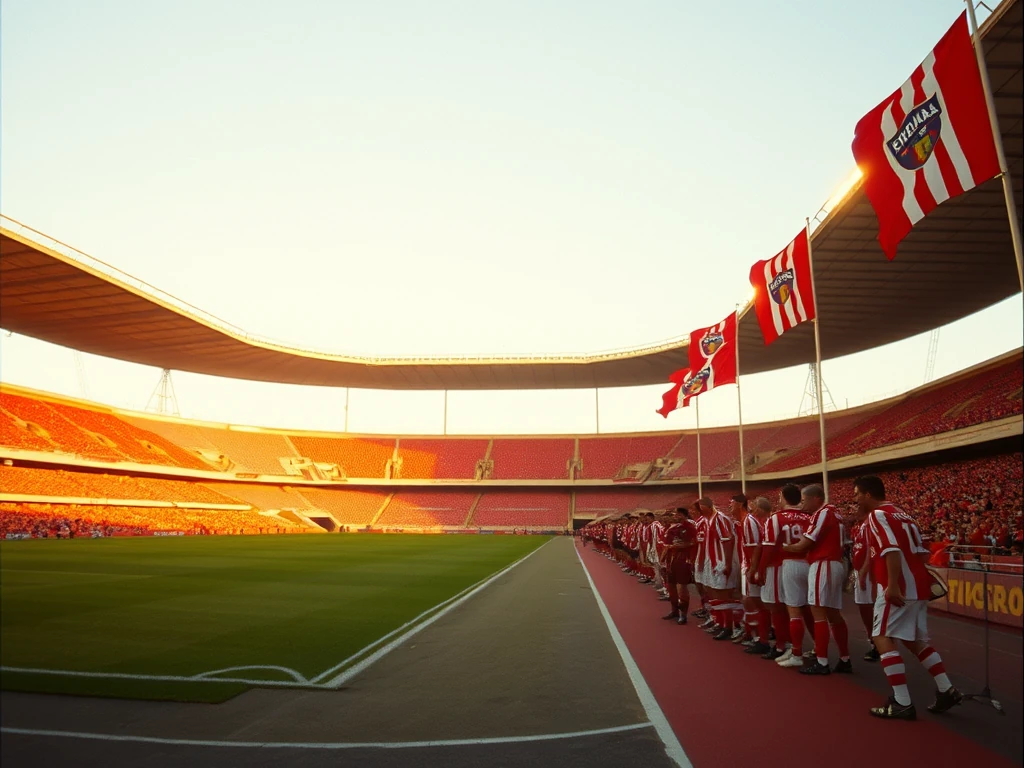
On 29 June 1985, Los Colchoneros faced Real Madrid in the Copa del Rey final, held at the Santiago Bernabéu Stadium. With a score of 2-0, Atlético Madrid lifted the trophy, a feat that meant more than just another title; it symbolised the resurgence of a club that had seen its fair share of struggles. This match has etched itself into the memory of fans, not only for the victory but for the pride and emotion it instilled in the colchonero supporters.
The victory in this final was monumental, as it was a classic Madrid derby, where the rivalry between these two Spanish giants was palpable. Luis Aragonés, the then-coach of Atlético Madrid, prepared his team with careful strategy, translating into exceptional performance on the pitch.
Impact on Colchonero Culture
The 1985 Copa del Rey was not only a sporting triumph; it marked a cultural turning point for the club. Los Colchoneros began to see themselves not only as a team with history but as a legitimate contender in Spanish football. The victory inspired generations of fans and players alike, solidifying loyalty to a club that had endured ups and downs.
The impact of this victory extended beyond the pitch, uniting fans in a sense of pride and belonging. The celebrations following the match, which took place on the streets of Madrid, showed the passion supporters have for their team. This triumph further cemented the identity of colchoneros as a club representing the working class, a symbol of struggle and perseverance.
A Team that Defined an Era
The players who were part of the 1985 team are remembered as legends. Among them, Luis Aragonés, who left his mark not only as a coach but also as an emblematic player during his career. The squad also featured stars like Carlos Aguilera and Ricardo Rossetti, who were key in securing this title.
The combination of a talented roster and visionary management allowed Atlético Madrid to reach a level of play that dazzled their rivals. This triumph clearly indicated that the club could compete at the highest level, something many thought had been lost.
The Final: A Tactical Breakdown
The match at the Santiago Bernabéu was a display of strategy and talent. From the outset, Atlético Madrid showed a solid defense, based on a tactical scheme prioritizing containment and counter-attacks. Luis Aragonés implemented a 4-4-2 that perfectly adapted to his players' characteristics, allowing for balanced play.
- Solid Defense: The central duo, Pablo and Sergio, were key in keeping a clean sheet.
- Quick Transitions: The team capitalized on every counter-attack opportunity, resulting in both goals of the victory.
- Midfield Control: The presence of Francisco and Aguilera in midfield provided the necessary stability to control the game's tempo.
This strategy not only proved effective in the final but also became a model for future generations of the club. The team’s ability to adapt and overcome adversity was a valuable lesson for all involved.
Fan Reaction
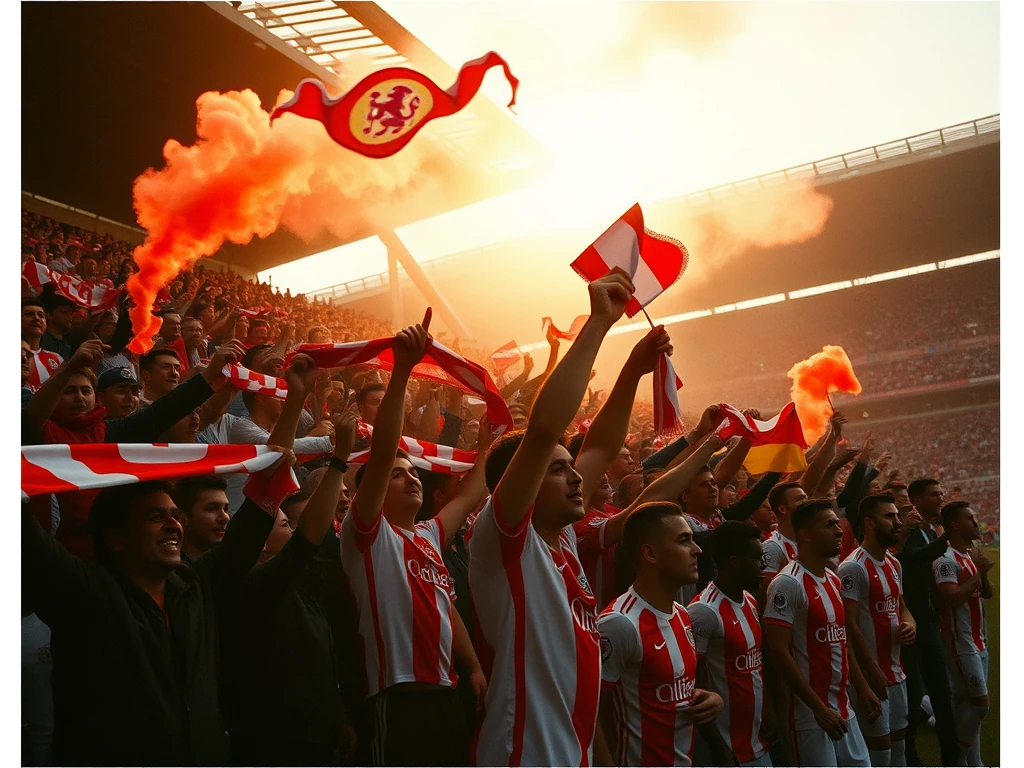
The colchonero fans didn't take long to react after the 1985 triumph. The streets of Madrid filled with supporters celebrating exuberantly, waving flags and singing songs in honor of their team. This moment was key for the growth of the club's identity, as it cemented the loyalty of fans, a fundamental aspect of Atlético Madrid's culture.
Over the years, the 1985 final has been commemorated on each anniversary, becoming a landmark that new fans must know. The story of that match lives on in the collective memory of colchoneros, who proudly pass this tradition to new generations.
What This Means for Atletico Madrid
Since the 1985 victory, Atlético Madrid has grown significantly, both for success and identity. This triumph has become a symbol of resilience and determination, characteristics that define the club to this day. For fans, this legacy serves as a sign that, despite challenges, the team can always find a way to succeed.
Colchoneros have seen their team evolve, reaching new heights in La Liga and European competitions. However, the essence of what it means to be an Atlético Madrid supporter remains unchanged, and the 1985 Copa del Rey is a sign of that.
Looking to the future, Atlético Madrid constantly seeks to emulate past successes. With a renewed focus on developing young talent and incorporating new strategies, the club has the opportunity to continue building on its rich history. The experiences of the past, especially the Copa del Rey of 1985, will serve as a guiding light for upcoming challenges.
Fans can expect an exciting future, where the legacy of 1985 will always be present, reminding everyone of the importance of the bond between the club and its supporters. The road to new titles is paved by the spirit of struggle and the passion that defines Los Colchoneros.